Are plant-based meat alternatives healthy?
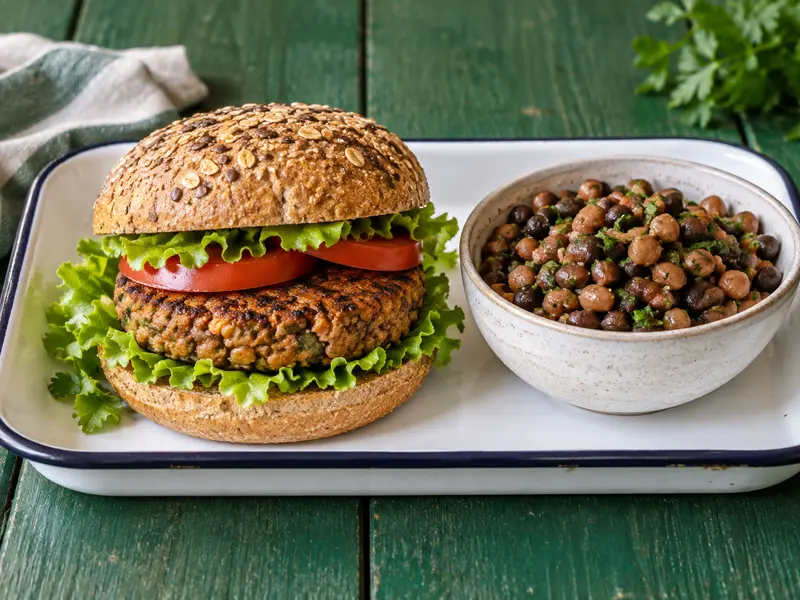
Plant-based meat alternatives can provide convenient vegan protein, but their nutritional profiles vary. Compare protein, sodium, saturated fat and fortification in the portion you will eat, alongside price and preparation time. Short trials have found some benefits when particular products replaced meat, while other trials found little advantage. Broad research on ultra-processed foods does not isolate the health effects of a particular burger. [1][2][5][6]
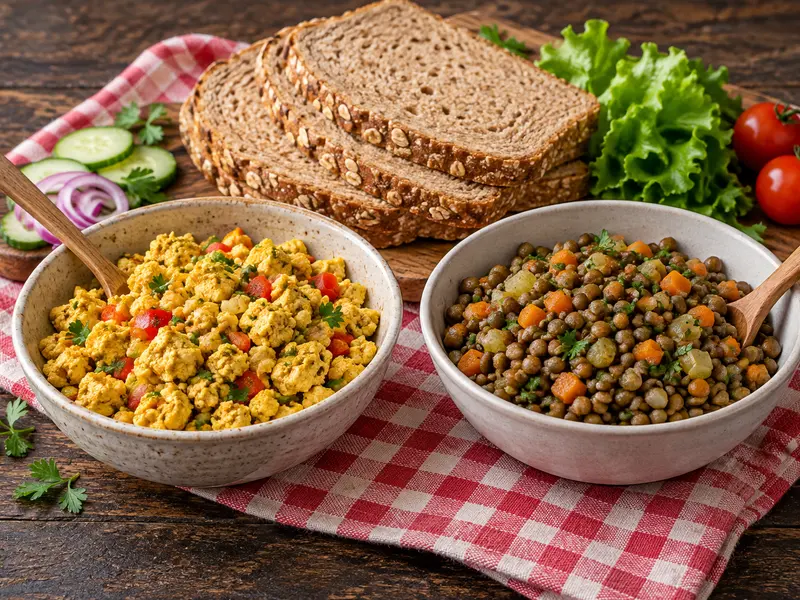
Compare the product with the food it will replace
A plant-based burger can be useful for someone who wants a familiar meal without meat. Its nutritional value depends on its ingredients, the portion eaten and the alternative on the plate. Replacing a fatty sausage, a plain chicken breast or a lentil dish creates three different comparisons.
Products made mainly from soy or pea protein can supply substantial protein, while some vegetable patties supply much less. Added oils, salt and fortification also vary. Check the current package: a brand name alone does not tell you what formulation or serving size you are buying.
“Vegetarian” products can contain eggs or dairy. Read the ingredients if you need a fully vegan option, including the bun, sauce and toppings. Mycoprotein is made from fungi, and products using it also need an ingredient check.
Read these parts of the label together
Compare similar portions, then adjust for the amount you expect to eat. A nutrition panel for one small patty is not directly comparable with a larger burger unless the serving weights are considered. FDA’s label guide and Health Canada’s Nutrition Facts guidance explain serving sizes and daily values.
| Item | What it helps you judge |
|---|---|
| Protein per serving | Whether the product supplies the protein you expected from that part of the meal |
| Saturated fat | How the product compares with your usual meat, tofu or bean option |
| Sodium | How much the product contributes before salty sauces, buns or toppings are added |
| Fibre | Whether the product contributes fibre, and how it fits with vegetables and whole grains |
| B12, iron and other fortification | Which nutrients have actually been added or reported, rather than assumed |
| Ingredients and allergens | Whether it is vegan and suitable for allergies or other dietary restrictions |
A lower-saturated-fat product can still be high in sodium. A fortified patty can supply useful nutrients while needing vegetables and other foods around it. Reading several label lines prevents a single attractive claim from deciding the whole comparison.
The percentage daily value is a comparison aid. US guidance generally calls 5% or less low and 20% or more high for a nutrient per serving. Canadian guidance uses 5% or less as a little and 15% or more as a lot. Use the guidance for the package’s market rather than assuming the cutoffs are identical. FDA and Health Canada provide the definitions.
What direct food trials show
The SWAP-MEAT analysis included 36 adults assigned to two eight-week phases, eating at least two daily servings of either Beyond Meat products or corresponding animal meats. LDL cholesterol averaged about 11 mg/dL lower during the plant-product phase, and weight was modestly lower. Blood pressure, glucose and several other measures did not clearly differ. Crimarco and colleagues report the trial.
The result applies to those products and comparisons. The animal foods included ground beef with 20% fat, and the plant phase supplied less saturated fat and more fibre. The trial was small, had no planned washout between phases and was funded by Beyond Meat. Its primary outcome, the blood compound TMAO, also showed an order effect: the difference depended on which diet came first. It measured risk factors, not heart attacks or long-term disease prevention.
A Singapore trial provides a less favourable comparison. Eighty-nine participants began an eight-week intervention, with data analyzed from 82 who completed it. Adults had raised diabetes risk but did not have diabetes. The researchers supplied a selection of meat alternatives or corresponding animal foods. There was no clear LDL-cholesterol advantage from the meat alternatives. Some blood-pressure measures differed in opposing directions, and selected continuous-glucose measures favoured the animal-food group. Toh and colleagues describe the study.
This was also a short product trial. Secondary glucose and ambulatory blood-pressure analyses involved smaller volunteer subgroups, and many outcomes were examined. The plant group consumed more sodium, while saturated-fat intake did not fall relative to the comparison diet. Funding included Pinduoduo; a published correction clarified the financial support and stated that the funder supplied none of the tested products.
A systematic review found short-term average improvements in LDL cholesterol and weight across a small collection of trials, with no clear improvement in several other risk factors. Products included mycoprotein alternatives as well as plant-protein foods. The results cannot establish that every product is beneficial, that all studied foods were vegan, or that the effects persist for years. Fernández-Rodríguez and colleagues summarize the findings.
What broader processing research can and cannot tell us
Many meat alternatives meet the NOVA definition of ultra-processed foods. Research on that category deserves attention, but it often combines very different products.
A UK Biobank study analyzed diet and later cardiovascular outcomes in 118,397 adults. A higher share of energy from plant-sourced ultra-processed foods was associated with higher cardiovascular risk. That group included industrial breads, cakes, biscuits, confectionery and other foods; meat alternatives supplied just 0.2% of total energy on average. Rauber and colleagues’ full study provides the food breakdown.
The study was observational. Diet reporting, classification and differences between people can influence the associations even after adjustment. It supports attention to overall food quality, while providing little direct information about the effect of eating a particular vegan burger. It cannot be used to attribute the group’s entire association to meat substitutes or to prove that all processing causes the same harm.
The direct product trials ask a narrower question over a shorter period. Both types of evidence have limits, and neither supplies a complete long-term comparison between all meat alternatives, meat and traditional bean meals.
Check fortification when making a regular substitution
Protein is only part of replacing a food. Some alternatives are fortified with B12, iron or zinc; others are not. Check what is actually listed. A product’s iron content also does not mean it treats iron deficiency, and a serving that supplies some B12 does not automatically cover a vegan diet’s B12 plan.
If meat alternatives become a regular protein source, look across the whole day’s foods. Beans, tofu, tempeh, nuts and seeds can offer other options, with different nutritional profiles and preparation needs. Our B12 guide and iron guide explain those nutrients separately.
Include convenience in the price comparison
Divide package price by the number of portions you expect to eat, not merely the serving count on the label. Then include buns, sauce, vegetables and any sides in the meal cost. If the products differ greatly in protein, compare cost for a defined protein amount as well. The affordable protein comparison demonstrates that calculation with other plant foods.
A ready-shaped burger can save preparation time. A dry-lentil meal can use inexpensive ingredients while requiring cooking and planning. The useful choice depends on your local prices, kitchen access and what you will eat. This article makes no universal price or savings claim for meat alternatives.
Keep a convenient option if it helps you prepare a meal you want. Compare its protein, sodium, saturated fat and fortification, and serve it with foods that fill the gaps. For another meal format, lentil walnut bolognese uses a lentil-based sauce, while smoky tofu black bean chili combines two protein foods. Their cost and nutrition estimates describe the required ingredients and portions in each recipe.
Sources and further reading
- Crimarco A et al.. A randomized crossover trial on the effect of plant-based compared with animal-based meat on trimethylamine-N-oxide and cardiovascular disease risk factors in generally healthy adults: Study With Appetizing Plantfood–Meat Eating Alternative Trial (SWAP-MEAT). The American Journal of Clinical Nutrition; 2020. DOI: 10.1093/ajcn/nqaa203.
- Toh DWK, Fu AS, Mehta KA, Lam NYL, Haldar S, Henry CJ. Plant-Based Meat Analogs and Their Effects on Cardiometabolic Health: An 8-Week Randomized Controlled Trial Comparing Plant-Based Meat Analogs With Their Corresponding Animal-Based Foods. The American Journal of Clinical Nutrition; 2024. DOI: 10.1016/j.ajcnut.2024.04.006.
- Toh DWK et al.. Corrigendum to Plant-Based Meat Analogs and Their Effects on Cardiometabolic Health. The American Journal of Clinical Nutrition; 2024. DOI: 10.1016/j.ajcnut.2024.06.012.
- Fernández-Rodríguez R, Bizzozero-Peroni B, Díaz-Goñi V, Garrido-Miguel M, Bertotti G, Roldán-Ruiz A, López-Moreno M. Plant-based meat alternatives and cardiometabolic health: a systematic review and meta-analysis. The American Journal of Clinical Nutrition; 2025. DOI: 10.1016/j.ajcnut.2024.12.002.
- Rauber F, Louzada MLDC, Chang K, Huybrechts I, Gunter MJ, Monteiro CA, Vamos EP, Levy RB. Implications of food ultra-processing on cardiovascular risk considering plant origin foods: an analysis of the UK Biobank cohort. The Lancet Regional Health – Europe; 2024. DOI: 10.1016/j.lanepe.2024.100948.
- US Food and Drug Administration. How to Understand and Use the Nutrition Facts Label. FDA; n.d.
- Health Canada. Nutrition labelling: Nutrition facts table. Government of Canada; n.d.
Source: https://lentilogical.com/blog/plant-based-meat-alternatives/
Related guides
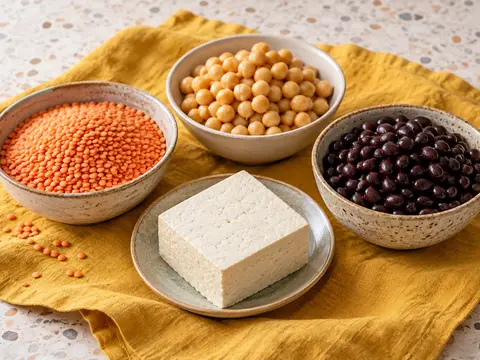
Affordable plant proteins compared
Compare lentils, beans, tofu and other vegan proteins by portion cost and cost per 25 grams of protein, using separate US and Canadian estimates.
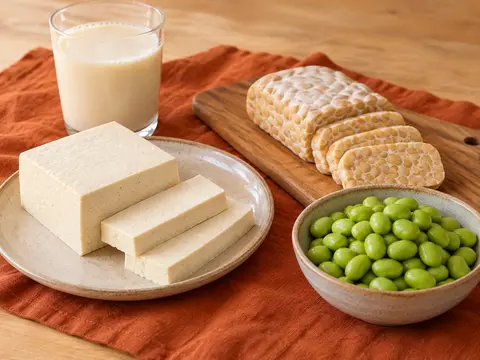
Soy foods and health: what human studies show
What tofu, tempeh and soy milk contribute to a vegan diet, with human evidence on cholesterol, hormones and thyroid concerns, plus supplement cautions.
Can a plant-based diet lower LDL cholesterol?
See how much plant-based diets lower LDL in trials, why saturated fat and soluble fibre matter, and how comparison diets affect the results.
Eating plant-based on a budget
Plan affordable plant-based meals with a realistic US and Canadian grocery example, including package costs, edible yields and convenience tradeoffs.