Plant-based diet benefits: what the research can tell us
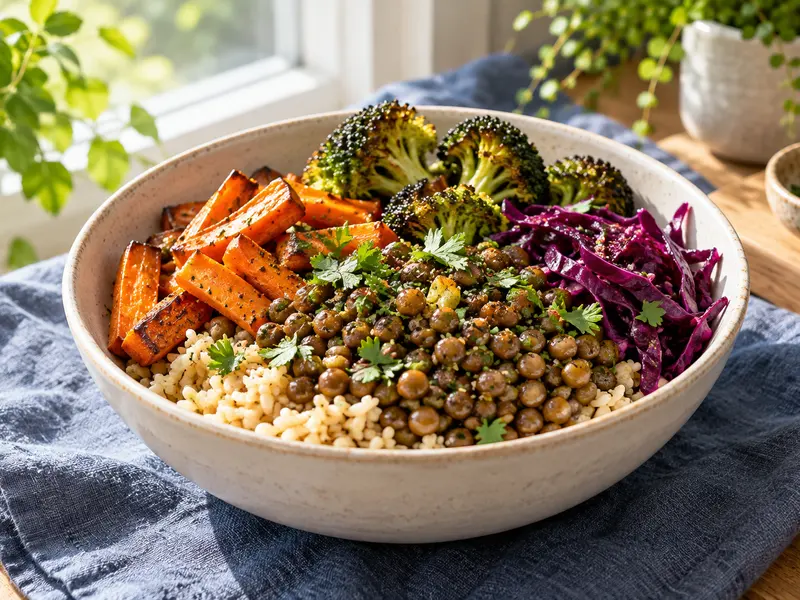
A well-planned plant-based diet can improve LDL cholesterol and help with blood glucose and weight management. The size of the benefit depends on the foods eaten, the comparison diet and the person. Evidence for long-term disease outcomes comes largely from observational studies, which cannot establish cause and effect. Vegan, vegetarian and plant-forward diets also differ, so their findings should not be treated as interchangeable. [2][4][1]
What the diet labels mean
The phrase plant-based covers several ways of eating. A study using that label might examine people who eat no animal foods, people who avoid meat but eat dairy and eggs, or people who simply eat more plants than their neighbours. The distinction changes what its findings can tell you.
| Pattern | What it usually means |
|---|---|
| Vegan | Excludes foods of animal origin, including meat, fish, dairy and eggs. |
| Lacto-ovo vegetarian | Excludes meat and fish; includes dairy and eggs. |
| Plant-forward | Emphasizes plant foods while allowing some animal foods. |
| Whole-food plant-based | Emphasizes foods such as beans, vegetables, fruit and whole grains; definitions and restrictions vary. |
There is no single standardized plant-based diet. The Academy of Nutrition and Dietetics’ adult position paper distinguishes vegetarian from vegan patterns and makes nutritional adequacy conditional on appropriate planning. A vegan label describes exclusions; it does not show how much fibre, sodium, saturated fat or protein a meal contains. Adult vegetarian dietary position paper
Where the trial evidence is useful
Randomized trials can test what happens when people are assigned different diets. They provide useful evidence about LDL cholesterol, body weight and blood glucose. Most cannot tell us whether a diet prevents heart attacks over decades.
A review of 20 trials involving 1,878 people with cardiovascular disease or elevated cardiovascular risk found improvements in LDL cholesterol, HbA1c and body weight with vegetarian dietary interventions. It did not find a clear average improvement in systolic blood pressure. The diets included vegan and other vegetarian patterns, comparison diets differed, and many participants took medication. Wang and colleagues’ trial review
A separate trial assigned one person in each of 22 identical twin pairs to a healthy vegan diet and the other to a healthy omnivorous diet for eight weeks. The vegan group had lower LDL cholesterol and lost more weight. Both diets emphasized nutritious foods, and meals were supplied during the first four weeks. The small sample, short follow-up and differences in calorie intake limit the conclusions. The study measured risk factors, rather than heart attacks or lifespan. Identical-twin diet trial
These findings support using well-planned plant-based meals to improve some health measures. They do not establish that eliminating every animal food is necessary for every benefit. Someone replacing a diet high in saturated fat with beans, oats and nuts is making a different change from someone replacing an already balanced diet with vegan versions of the same foods.
For the evidence on each measure, see our guides to LDL cholesterol, blood pressure and type 2 diabetes.
Food quality changes the interpretation
In three large US cohorts, researchers compared dietary scores that emphasized different plant foods. Higher scores for whole grains, fruit, vegetables, nuts and legumes were associated with less coronary heart disease. Scores emphasizing refined grains, sweetened drinks and sweets were associated with more disease. Most participants were not vegetarian. Satija and colleagues’ cohort study
That is observational evidence. Participants chose their diets, and differences in exercise, smoking, income or health awareness can remain after statistical adjustment. Food questionnaires also make mistakes. The study supports attention to food quality; it cannot prove that a particular food substitution caused the difference.
The practical implication is specific: decide what will replace the food you remove. Lentils in a tomato sauce add a different mix of nutrients from a coconut-oil-rich cheese alternative. Whole fruit and a sweetened fruit drink are both made from plants, but they are not interchangeable.
Processing alone is too broad a shortcut. Frozen vegetables, canned beans and fortified soy milk can make meals more convenient. Read the ingredients and nutrition label for the properties relevant to you, including sodium, saturated fat, protein and fortification. Canada’s food guide recommends plant protein foods more often, whole grains, vegetables and fruit, while limiting foods high in sodium, sugars or saturated fat. Canada’s healthy eating recommendations
Long-term findings include benefits and unresolved concerns
Cohorts can follow disease outcomes for much longer than most feeding trials. Their results deserve attention, with the limits of observational research kept visible.
In EPIC-Oxford, vegetarians, grouped with vegans in the main analysis, had lower rates of ischaemic heart disease but higher rates of total stroke than meat eaters. The stroke difference was largely related to haemorrhagic stroke, which involves bleeding. Vegan-only estimates were less precise. This does not establish that avoiding meat causes stroke, or that a cholesterol-lowering diet is harmful. It shows why one favourable outcome cannot stand in for all health outcomes. EPIC-Oxford heart disease and stroke study
Another EPIC-Oxford analysis found higher fracture rates in vegans, particularly hip fractures. The association was partly attenuated after adjustment for body mass index and reported calcium and protein intake. The participants’ diets were recorded years ago, and the study could not measure every influence on bone health. It nevertheless gives a reason to plan calcium, vitamin D, protein and adequate energy rather than assume that a diet rich in vegetables meets every need. EPIC-Oxford fracture study
Cancer findings also vary by cancer site and dietary group. A pooled analysis of nine cohorts found lower rates of several cancers in vegetarians, but higher rates of oesophageal squamous cell cancer. Vegans had higher colorectal cancer rates in that analysis. The vegan group was small relative to the whole sample, and residual confounding, diet misclassification and multiple comparisons remain concerns. These associations do not establish a universal cancer-prevention benefit or a universal harm from vegan eating. Pooled cancer analysis
Nutrient planning belongs in the benefits discussion
Removing animal foods requires reliable replacements for the nutrients they supplied. Vitamin B12 needs particular attention: unfortified plant foods are not reliable sources. Fortified foods or supplements provide a dependable route, with the choice and amount depending on the product and the person’s needs. Existing deficiency needs assessment and treatment. NIH vitamin B12 guidance
Calcium, vitamin D, iodine, iron, zinc, omega-3 fats and protein also deserve a place in meal planning. Their importance does not mean that everyone needs a supplement for each one. Food choices, fortification, sun exposure, age and medical circumstances differ. Our vegan supplements guide explains those decisions.
A large salad can be part of a meal without providing enough energy or protein to make the whole meal adequate. Add a substantial protein food such as beans, lentils, tofu or tempeh, and enough starchy food and fat for your needs. That may mean rice with lentil dal, a tofu sandwich, or beans with potatoes and vegetables. A restrictive list of permitted foods can make adequacy harder without adding a demonstrated health benefit.
Make the change workable
Choose one meal you already eat and give it a useful plant protein. Try lentil-walnut bolognese with pasta, or tofu-spinach-lentil dal with rice. These are meal ideas, not treatments or a complete nutrition prescription.
Keep a few convenient options available: canned beans, frozen vegetables, oats, peanut butter and a fortified plant drink you enjoy. Increase beans and other fibre-rich foods gradually if your current intake is low. Cooking time, storage, food access and the preferences of other people at the table all affect what is sustainable for you.
If you take glucose-lowering or blood-pressure medication, discuss a substantial dietary change with your care team so monitoring can keep pace. A diet can support treatment while medication remains necessary. Judge progress against your own relevant measures and the meals you can maintain, with nutrient adequacy included from the start.
Sources and further reading
- Raj S, Guest NS, Landry MJ, Mangels AR, Pawlak R, Rozga M. Vegetarian Dietary Patterns for Adults: A Position Paper of the Academy of Nutrition and Dietetics. Journal of the Academy of Nutrition and Dietetics; 2025. DOI: 10.1016/j.jand.2025.156227.
- Wang T, Kroeger CM, Cassidy S, et al.. Vegetarian Dietary Patterns and Cardiometabolic Risk in People With or at High Risk of Cardiovascular Disease: A Systematic Review and Meta-analysis. JAMA Network Open; 2023. DOI: 10.1001/jamanetworkopen.2023.25658.
- Landry MJ, Ward CP, Cunanan KM, et al.. Cardiometabolic Effects of Omnivorous vs Vegan Diets in Identical Twins: A Randomized Clinical Trial. JAMA Network Open; 2023. DOI: 10.1001/jamanetworkopen.2023.44457.
- Satija A, Bhupathiraju SN, Spiegelman D, et al.. Healthful and Unhealthful Plant-Based Diets and the Risk of Coronary Heart Disease in U.S. Adults. Journal of the American College of Cardiology; 2017. DOI: 10.1016/j.jacc.2017.05.047.
- Health Canada. Healthy eating recommendations. Canada's food guide; 2019.
- Tong TYN, Appleby PN, Bradbury KE, et al.. Risks of ischaemic heart disease and stroke in meat eaters, fish eaters, and vegetarians over 18 years of follow-up: results from the prospective EPIC-Oxford study. BMJ; 2019. DOI: 10.1136/bmj.l4897.
- Tong TYN, Appleby PN, Armstrong MEG, et al.. Vegetarian and vegan diets and risks of total and site-specific fractures: results from the prospective EPIC-Oxford study. BMC Medicine; 2020. DOI: 10.1186/s12916-020-01815-3.
- Dunneram Y, Lee JY, Watling CZ, et al.. Vegetarian diets and cancer risk: pooled analysis of 1.8 million women and men in nine prospective studies on three continents. British Journal of Cancer; 2026. DOI: 10.1038/s41416-025-03327-4.
- NIH Office of Dietary Supplements. Vitamin B12: Fact Sheet for Consumers. National Institutes of Health; 2023.
Source: https://lentilogical.com/blog/plant-based-diet-benefits/
Related guides
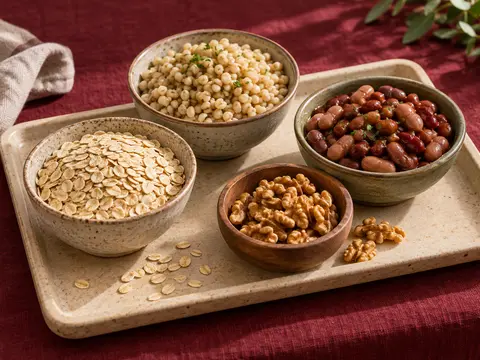
Can a plant-based diet lower LDL cholesterol?
See how much plant-based diets lower LDL in trials, why saturated fat and soluble fibre matter, and how comparison diets affect the results.
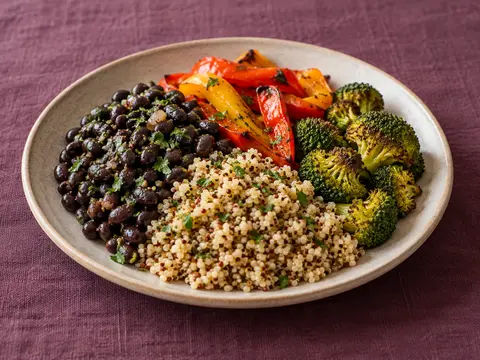
Plant-based diets and type 2 diabetes
Separate diabetes-prevention research from treatment trials, understand HbA1c changes, and plan plant-based meals with medication and nutrition in mind.
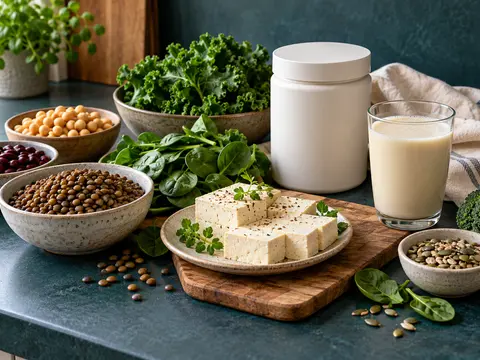
Which supplements might a vegan diet need?
Review B12, vitamin D, iodine, calcium, iron, zinc and omega-3 with a practical guide to food gaps, supplement labels and professional advice.
Eating plant-based on a budget
Plan affordable plant-based meals with a realistic US and Canadian grocery example, including package costs, edible yields and convenience tradeoffs.